

As a seasoned supplier of titanium alloy tubes, I've witnessed firsthand the remarkable properties that make these materials a staple in various industries. One of the most critical characteristics of titanium alloy tubes is their oxidation resistance, which plays a pivotal role in their performance and longevity. In this blog post, I'll delve into the intricacies of oxidation resistance in titanium alloy tubes, exploring the factors that influence it, the benefits it offers, and how it compares to other materials.
Understanding Oxidation and Its Impact on Metals
Before we dive into the specifics of titanium alloy tubes, let's first understand what oxidation is and why it matters. Oxidation is a chemical reaction that occurs when a metal reacts with oxygen in the presence of moisture or other oxidizing agents. This reaction forms metal oxides on the surface of the metal, which can lead to corrosion, degradation, and a loss of mechanical properties over time.
For many metals, oxidation is a significant concern, especially in harsh environments such as high temperatures, high humidity, or exposure to corrosive chemicals. Corrosion can cause structural damage, reduce the lifespan of components, and even pose safety risks in some applications. Therefore, finding materials with excellent oxidation resistance is crucial for ensuring the reliability and durability of metal components.
The Oxidation Resistance of Titanium Alloy Tubes
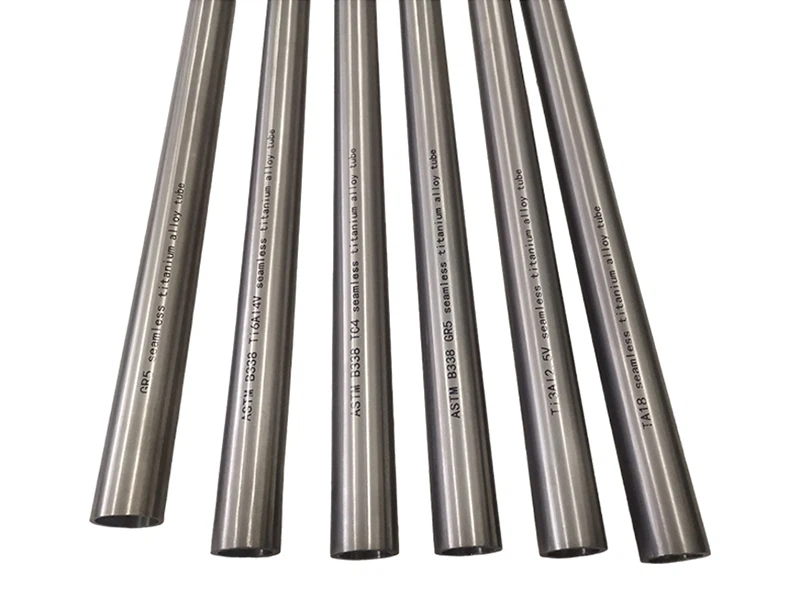
Titanium alloy tubes are renowned for their exceptional oxidation resistance, making them an ideal choice for a wide range of applications where corrosion protection is essential. The key to their superior oxidation resistance lies in the formation of a thin, dense, and adherent oxide layer on the surface of the titanium alloy.
When titanium alloy tubes are exposed to oxygen, a passive oxide layer composed mainly of titanium dioxide (TiO₂) forms spontaneously on the surface. This oxide layer acts as a protective barrier, preventing further oxidation of the underlying metal by isolating it from the surrounding environment. The oxide layer is self-healing, meaning that if it is damaged or scratched, it will quickly reform in the presence of oxygen, maintaining its protective properties.
The oxidation resistance of titanium alloy tubes is influenced by several factors, including the alloy composition, the surface finish, and the environmental conditions. Different titanium alloys have varying levels of oxidation resistance, depending on the specific alloying elements added to the base titanium. For example, alloys containing elements such as aluminum (Al), vanadium (V), and zirconium (Zr) can enhance the oxidation resistance of titanium alloy tubes by improving the stability and integrity of the oxide layer.
The surface finish of titanium alloy tubes also plays a crucial role in their oxidation resistance. A smooth and clean surface finish promotes the formation of a uniform and continuous oxide layer, which provides better protection against oxidation. Surface treatments such as polishing, passivation, or coating can further improve the oxidation resistance of titanium alloy tubes by enhancing the quality and thickness of the oxide layer.
In addition to alloy composition and surface finish, the environmental conditions also have a significant impact on the oxidation resistance of titanium alloy tubes. High temperatures, high humidity, and exposure to corrosive chemicals can accelerate the oxidation process and reduce the effectiveness of the oxide layer. However, titanium alloy tubes can still maintain excellent oxidation resistance in a wide range of environmental conditions, making them suitable for use in demanding applications such as aerospace, chemical processing, and marine engineering.
Benefits of Using Titanium Alloy Tubes with High Oxidation Resistance
The exceptional oxidation resistance of titanium alloy tubes offers several significant benefits, making them a preferred choice for many industries. Here are some of the key advantages of using titanium alloy tubes with high oxidation resistance:
- Longevity and Durability: The protective oxide layer on the surface of titanium alloy tubes prevents corrosion and degradation, extending the lifespan of the tubes and reducing the need for frequent replacement. This results in lower maintenance costs and improved reliability for components made from titanium alloy tubes.
- High-Temperature Performance: Titanium alloy tubes can maintain their oxidation resistance at high temperatures, making them suitable for use in applications where exposure to elevated temperatures is common. For example, in aerospace engines, titanium alloy tubes are used in the hot sections of the engine, where they are exposed to extreme temperatures and corrosive gases.
- Chemical Resistance: Titanium alloy tubes are highly resistant to a wide range of chemicals, including acids, alkalis, and salts. This makes them ideal for use in chemical processing plants, where they can withstand the corrosive effects of chemicals and solvents.
- Lightweight and High Strength: In addition to their excellent oxidation resistance, titanium alloy tubes are also lightweight and have high strength-to-weight ratios. This makes them a popular choice for applications where weight reduction is critical, such as aerospace and automotive industries.
Comparing Titanium Alloy Tubes to Other Materials
When considering materials for applications requiring oxidation resistance, it's essential to compare titanium alloy tubes to other commonly used materials. Here's a brief comparison of titanium alloy tubes with some other metals in terms of oxidation resistance:

- Stainless Steel: Stainless steel is a popular choice for corrosion-resistant applications due to its relatively good oxidation resistance. However, stainless steel is more susceptible to corrosion in certain environments, such as high temperatures or exposure to chloride ions. Titanium alloy tubes offer superior oxidation resistance compared to stainless steel, especially in harsh environments, making them a better choice for applications where corrosion protection is critical.
- Aluminum: Aluminum is a lightweight metal with good corrosion resistance, but it is not as resistant to oxidation as titanium alloy tubes. Aluminum forms a porous and less adherent oxide layer compared to titanium, which makes it more vulnerable to corrosion in aggressive environments. Titanium alloy tubes provide better protection against oxidation and corrosion, making them a more reliable choice for long-term use.
- Nickel Alloys: Nickel alloys are known for their excellent high-temperature oxidation resistance, but they are also more expensive than titanium alloy tubes. Titanium alloy tubes offer a good balance of oxidation resistance, strength, and cost, making them a cost-effective alternative to nickel alloys in many applications.
Applications of Titanium Alloy Tubes with High Oxidation Resistance
The exceptional oxidation resistance of titanium alloy tubes makes them suitable for a wide range of applications across various industries. Here are some examples of how titanium alloy tubes are used in different sectors:
- Aerospace Industry: In the aerospace industry, titanium alloy tubes are used in critical components such as aircraft engines, airframes, and hydraulic systems. The high oxidation resistance of titanium alloy tubes ensures the reliability and durability of these components, even in the harsh environment of high altitudes and extreme temperatures. For example, Ti2Al2.5Zr Seamless Titanium Alloy Tube is commonly used in aerospace applications due to its excellent oxidation resistance and high strength.
- Chemical Processing Industry: Titanium alloy tubes are widely used in the chemical processing industry for transporting corrosive chemicals and gases. Their high oxidation resistance and chemical stability make them ideal for use in reactors, heat exchangers, and piping systems, where they can withstand the corrosive effects of acids, alkalis, and other chemicals. ASTM B338 TA18 Seamless Titanium Alloy Tube is a popular choice for chemical processing applications due to its excellent corrosion resistance and mechanical properties.
- Marine Industry: In the marine industry, titanium alloy tubes are used in shipbuilding, offshore platforms, and desalination plants. The high oxidation resistance of titanium alloy tubes makes them resistant to seawater corrosion, ensuring the long-term durability of marine components. For example, Gr9 Seamless Titanium Alloy Tube is commonly used in marine applications due to its excellent corrosion resistance and high strength-to-weight ratio.
Conclusion
In conclusion, the oxidation resistance of titanium alloy tubes is one of their most significant advantages, making them an ideal choice for a wide range of applications where corrosion protection is essential. The formation of a thin, dense, and adherent oxide layer on the surface of titanium alloy tubes provides excellent protection against oxidation and corrosion, ensuring the reliability and durability of metal components in harsh environments.
As a supplier of titanium alloy tubes, I'm committed to providing high-quality products with superior oxidation resistance to meet the needs of our customers. If you're interested in learning more about our titanium alloy tubes or have specific requirements for your application, please don't hesitate to contact us. We'll be happy to assist you in finding the right titanium alloy tube solution for your project.
References
- ASM Handbook, Volume 2: Properties and Selection: Nonferrous Alloys and Special-Purpose Materials. ASM International, 2001.
- Titanium: A Technical Guide. Second Edition. ASM International, 2000.
- "Oxidation Resistance of Titanium Alloys" by Y. W. Kim and R. R. Boyer. In: Titanium Science and Technology, 1999.