

1. The thermal conductivity of titanium alloy is low, and the heat accumulates on the local surface of the workpiece during processing, which is easy to make the tool temperature too high and cause "burning knife", so it requires good tool quality and low cutting line speed (low speed, low feed). It is best to have a special tool for titanium alloy, if you don't have it, you can also use a carbide tool, the higher the hardness, the better, it is recommended to be more than 55 degrees.
2. Because the hardness of the titanium alloy processing tool is higher and the texture is tighter, the better the heat transfer effect, so try not to use the coated tool, the titanium alloy material will have an "affinity" reaction with the titanium in the coating, resulting in a "sticky knife".
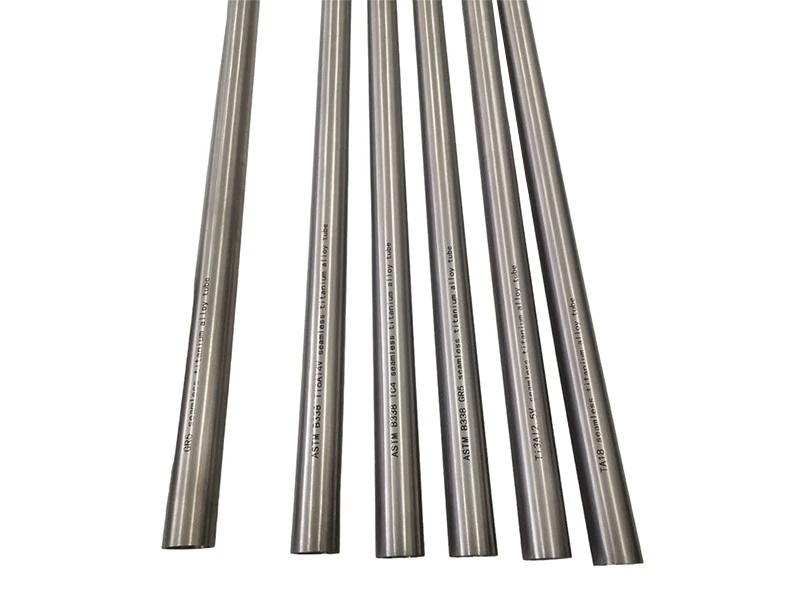
3. Titanium alloy has low density, low hardness, and the material is very cotton, which is easy to "make a knife". In roughing, only "cutting in place" occurs, not "gouging". In order to avoid "making the knife" size not in place, titanium alloy processing and repeated processing, the allowance is kept as little as possible to improve the processing efficiency.
4. Cooling measures need to be taken during titanium alloy processing, and dry cutting should not be done. It is especially important to pay attention to the finishing of small and micro cuts. Titanium alloy chips with very small particle size will "burn" at about 200 degrees, affecting the molding quality of the product.